

01
1. Ownership and access
Who owns the account, who holds admin access, and who pays Google. An account you do not own is the first thing to fix.
Read-only access. A straight answer.
If you already advertise on Google, David Domingos will review the account with read-only access: conversion tracking, settings, search terms, structure, ads and the landing page. You get the faults costing you the most money, in order, and what to fix first. There is no obligation to hire Lucent afterwards.
Read-only access that you grant and can remove. Nothing in the account is changed during the audit.
The audit is for businesses already spending on Google Ads who suspect the account is not doing what the reports say. If you have not started yet, the Google Ads management page explains the readiness check instead.
Not advertising yet? Start with the Google Ads management page, where the free audit checks the website, tracking and auction before any spend.
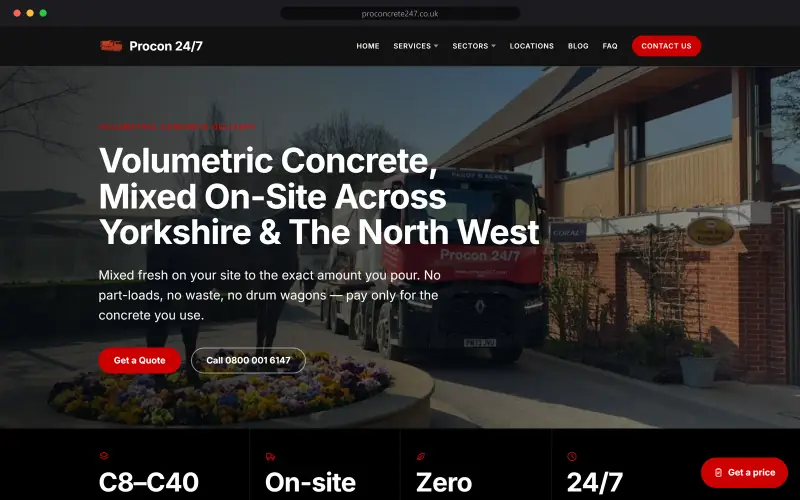
On the Procon 24/7 account, a site rebuild once silently stopped the Google Ads conversions firing until it was caught, and call tracking arrived months later than it should have. The account's figures stayed trustworthy only because results were checked against the client's own revenue reports rather than the platform. That is why every audit starts with tracking.
What is on record: Over nearly five years that account recorded the figures below in the client's own reports. One client's result, not a forecast, and not a promise of what an audit will find. Read the documented Google Ads result →
Ten checks, in the order that matters. The first two decide whether any number in the account can be trusted, so they come before anything about keywords or bids.
Who owns the account, who holds admin access, and who pays Google. An account you do not own is the first thing to fix.
Whether the primary conversion fires on a real enquiry, only once, and is not inflated by page views, button clicks, duplicate tags or spam form fills. Calls counted by duration, not by tap.
Whether won customers can be matched back to ad clicks, so bidding learns from sales rather than form fills.
Location targeting set to people in your area rather than people interested in it, the networks in use, and auto-applied recommendations that change the account without anyone deciding to.
What the account actually pays for, line by line, and whether irrelevant searches are being excluded.
Whether ad groups are themed tightly enough for the ads to match the searches, and whether broad match is running without the conversion data it needs.
Whether ads say what the landing page says, and whether call, sitelink and location assets are in place where they help.
Whether the page matches the ad, loads quickly on a phone and makes the next step obvious.
Whether the bid strategy suits the volume and quality of conversion data, and whether budget is capped where it should be.
Whether the monthly report leads with enquiries and cost per enquiry, or with clicks and impressions.
The full reasoning behind each check is in the journal: what a Google Ads audit should check.
The same measures a well-run account should report every month, so the audit tells you what the account is actually producing.
01 · Request
Tell David the business, the website and roughly what you spend. No call is booked at this stage.
02 · Access
You add read-only access from your own Google Ads account. Nothing is changed.
03 · Review
Tracking first, then settings, search terms, structure, ads, the landing page, bidding and reporting.
04 · Findings
The faults in order of cost, what to fix first, and a straight answer on whether the account needs outside help at all.
A short, ordered list rather than a long report: the faults costing the most money first, and what to do about each one.
The problems costing the most first, with the evidence from your own account for each one.
Whether the conversion numbers can be trusted, and what a corrected cost per enquiry looks like where they cannot.
The searches you are paying for that no customer of yours would make, and the negatives to add.
Location, network, recommendation and bidding settings that are working against the business.
Where the page and the ad disagree, and what stops a visitor from getting in touch.
Fix it yourself, ask your current agency to fix it, or talk about Lucent running it. All three are valid answers.
Yes. There is no fee and no obligation to hire Lucent afterwards. It exists because the fastest way to show how an account should be run is to look at yours.
Read-only access to your Google Ads account, which you grant from your own account settings and can remove at any time. Access to Google Analytics or Tag Manager helps with the tracking checks but is not required.
No. The audit is read-only. Any change is yours to make, or your current agency's, or Lucent's if you later decide to work together.
Ownership and access, conversion tracking, enhanced conversions and offline imports, campaign settings, search terms and negatives, structure and match types, ads and assets, the landing page, budget and bidding, and reporting. Tracking comes first because it decides whether any other number can be trusted.
It is your account and you are entitled to know how it is run. The findings are written so you can take them to your current agency. Plenty of audits end with advice to stay where you are and fix two settings.
Yes, within what Performance Max shows. The most important check is the same: whether the conversions it is optimising towards are real enquiries or sales.
No. An audit finds faults and wasted spend. What the account produces after they are fixed depends on your market, your offer and your website.
Within two weeks of launching the new site, we saw a 37% increase in quote requests.
David GrayshonProcon 24/7He researched our sector before writing a single word, and asked better questions than agencies three times his size.
Neil GallagherGoogle reviewWe didn't think a website could feel like us, but this does. Our regulars kept saying it looks exactly like Andrews.
Johnny HuntAndrews of HolmfirthHe wanted me to be the most satisfied client he had, because he wasn't going to let that referral down.
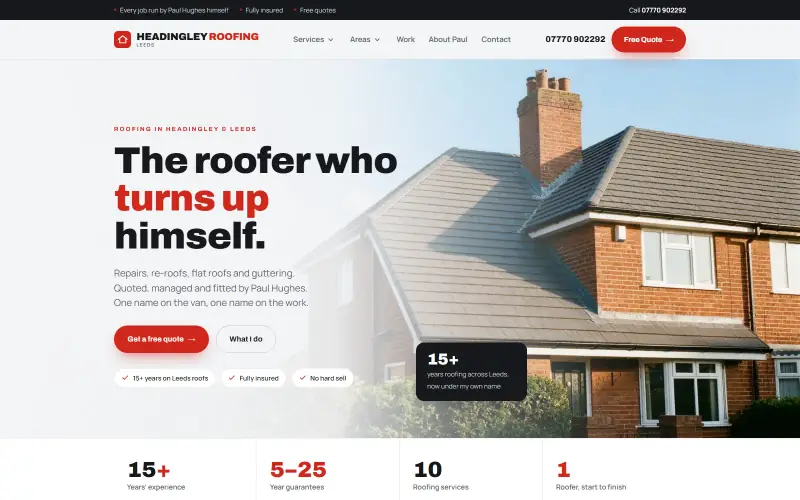
Paul HughesProMax RoofingRead-only access, ten checks, and the faults costing the most money first. No fee and no obligation.
Nothing in your account is changed. You remove access afterwards.